
By George French
Attorney Mike Williams told Concordia students Thursday, Sept. 18, about North Dakota’s most significant disability rights case. The lawsuit shut down abusive state institutions for people with developmental disabilities and replaced them with community-based services.
Williams was invited by Bruce Quick, adjunct instructor of political science and fellow attorney who studied with him at the University of North Dakota School of Law. Quick said Williams has voluntarily given the presentation more than 100 times, including a dozen for his classes.
Known as the Arc case, named for The Arc of North Dakota, the 16-year legal battle became the largest civil action in state history.
Just three months out of law school, Williams said the case landed in his lap by chance. “I never expected to be the lawyer handling it,” he said. “It was referred to me by a classmate from law school.”
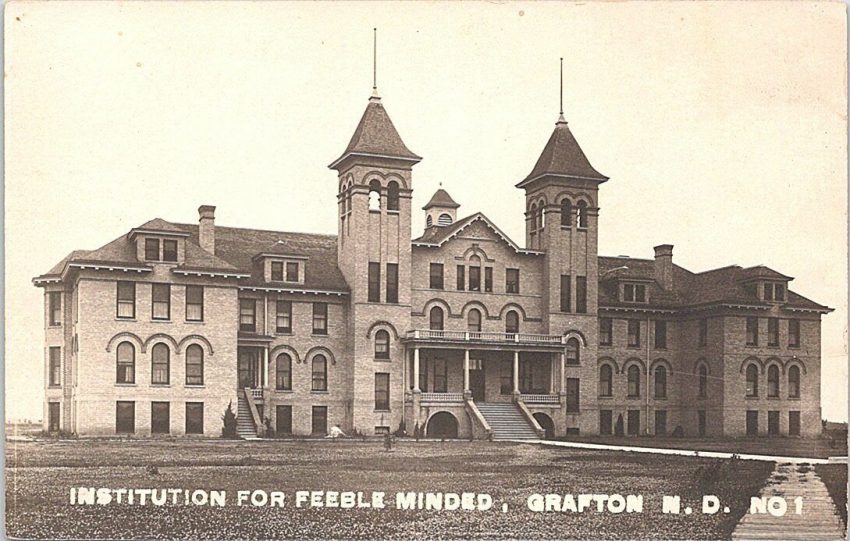
The case began in the 1970s when a parent of a resident at the Grafton State School (a North Dakota institution for people with developmental disabilities) questioned how the facility was spending money.
State officials planned to put $1 million into a swimming pool at San Haven, a division of the school. Parents objected, saying they wanted resources directed toward services for people with disabilities instead. After legislators dismissed their concerns, they turned to Williams.
One of the first things Williams did to research the case was tour the Grafton State School.
“That was one of the most depressing days of my life,” he said.
He recalled being escorted by Superintendent Milton Wisland, who dictated where visitors could go. “He was arrogant, condescending, and what we saw was offensive,” Williams said.
Inside, he described scenes of neglect and abuse with some units made up of one staff person for more than 100 residents.
Williams explained that in a room slightly smaller than the classroom where he was speaking, 40 adult men spent their days without staff or stimulation. “They were naked, and there was urine and feces on the floor,” he said. Similar conditions, he added, were repeated across units housing children to older adults.
He said residents were denied even the most basic dignity. Clothing was shared, and freedom of association was nonexistent.
“You were assigned to a unit and spent every day in the same room doing nothing,” Williams said.
To manage the lack of staff, the institution relied on restraints and heavy medication. “People were tied to chairs or beds, and those who weren’t shackled were drugged into zombies,” Williams said.
The visit, he said, convinced him the system had to change.
Ruben Bowen, a senior studying psychology, said what struck him most was how children were treated. “It’s like something out of a horror novel,” Bowen said.
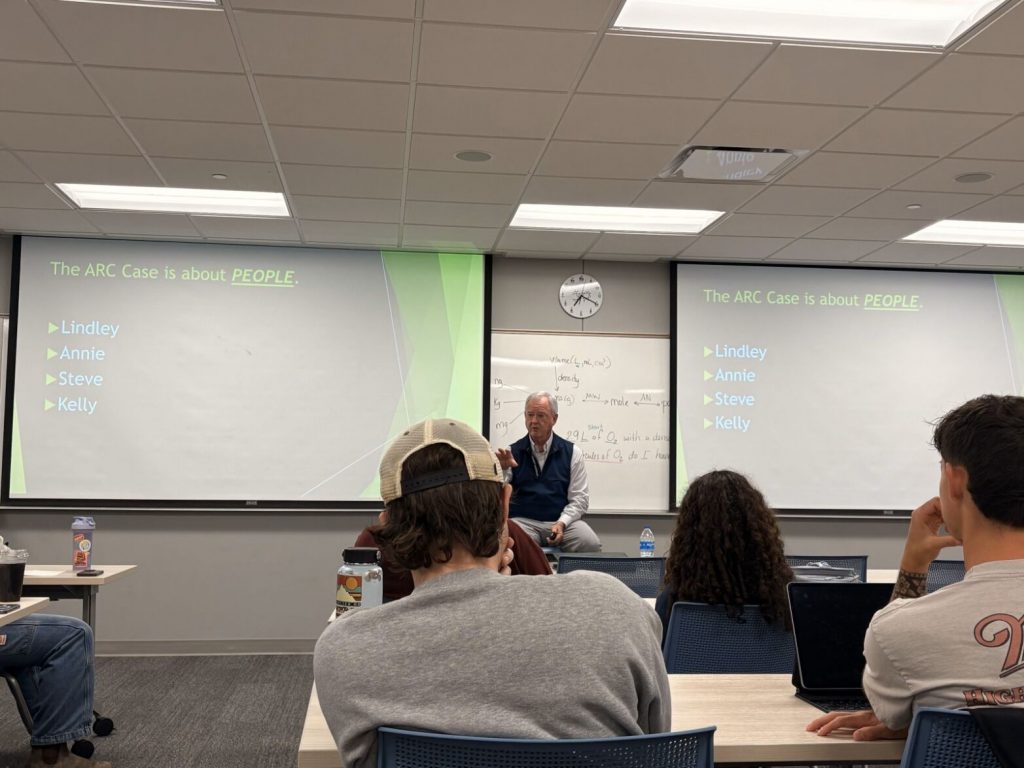
“They were between the ages of eight and 10, the same age group I work with every day.”
Williams and fellow attorneys sued the state of North Dakota, naming the governor, lieutenant governor and other officials responsible for disability programs.
“When you sue 14 state officials, you’d think the government would take care of it,” Williams said. “I was naive enough to believe that.”
The case would go on to last 16 years and involve billions of dollars in reforms. Williams said Robert Wefald, the attorney general at the time, called it the most important case in North Dakota history. It has been cited by 600 courts across the country.
But Williams said what mattered most was not the legal arguments, but the people.
One of those people was Annie, a woman who had lived at Grafton since she was a baby. He said she was given so many medications she could barely function, and her disability was later linked to the environment in which she grew up.
U.S. District Judge Bruce Van Sickle, who oversaw the case, was known for running a tight, Marine-like schedule.
Williams said one of the few times the judge broke routine was after watching the film of how residents at Grafton were treated.
The overhaul reduced Grafton’s population from about 1,300 to fewer than 160 and returned thousands of people to their home communities. Children went back to local schools. Many adults moved into apartments and found jobs.
Even though the case unfolded only about 40 years ago, Williams noted it isn’t well remembered.
Along with Concordia students, Fargo North High School students attended the presentation. Among them was Kaitlyn Desmarais, who with three classmates, created a project on the ARC case that won a state competition and reached the national level in Washington, D.C.
“There were some people who were really engaged with disability rights, but not a single person knew about the case,” she said.
Quick said he keeps inviting Williams back because “we don’t want this story to be forgotten.”
Williams continues to urge students to carry the lessons forward.
“Separate is not equal,” he said.
“People with disabilities need what we all need: family, friends and a place in the community.” He encouraged listeners to do small things that make inclusion real, saying even small gestures can make life more meaningful.
