
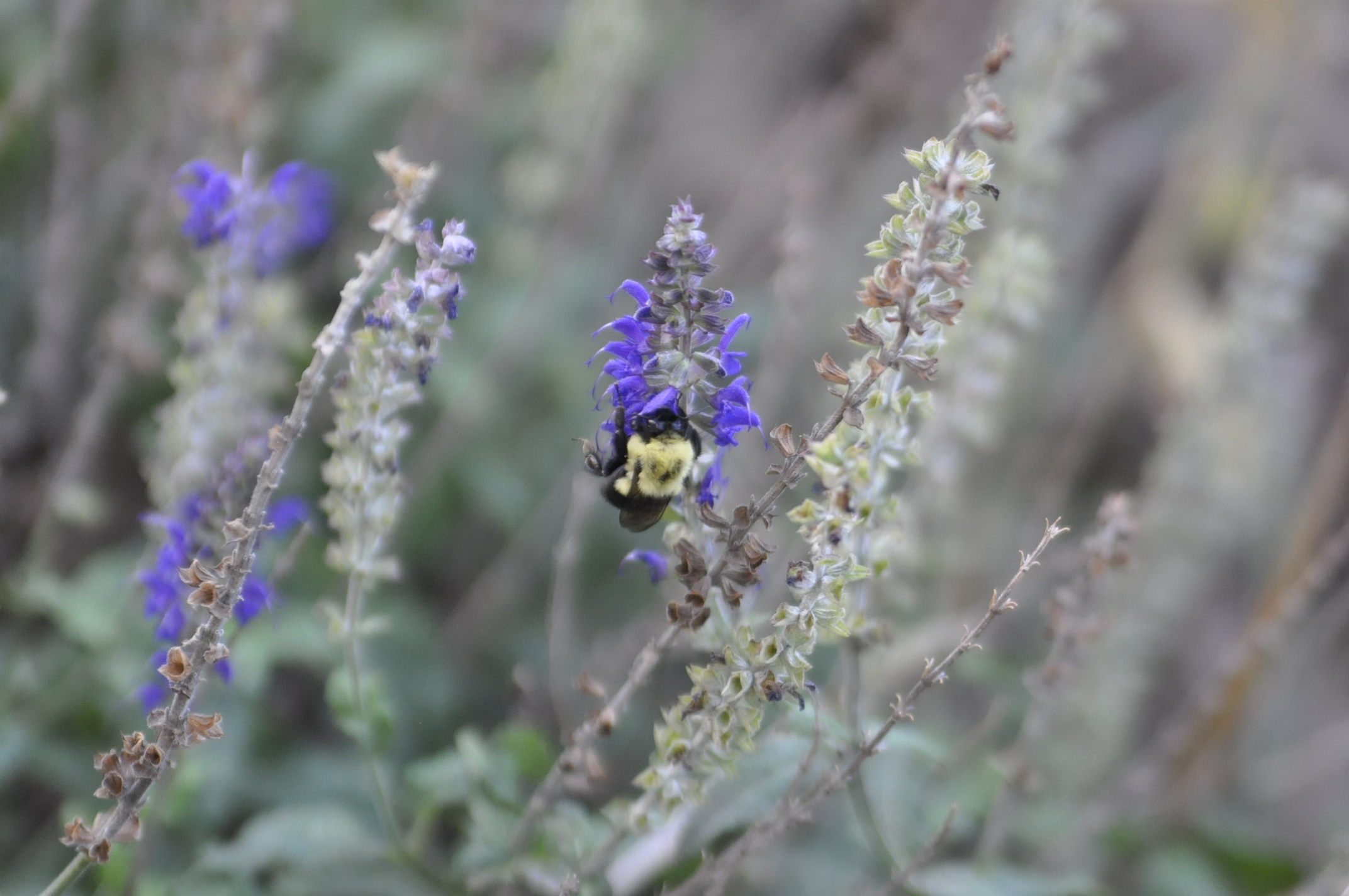
MOORHEAD – Since March of 2020, Concordia has been designated as a Bee Campus USA affiliate, for its work providing habitat on campus for bees and other pollinators.
Bee Campus USA is an initiative from the Xerxes Society, global nonprofit. On their website they describe themselves as a “science-based conservation organization” that “protects the natural world through the conservation of invertebrates and their habitats.”
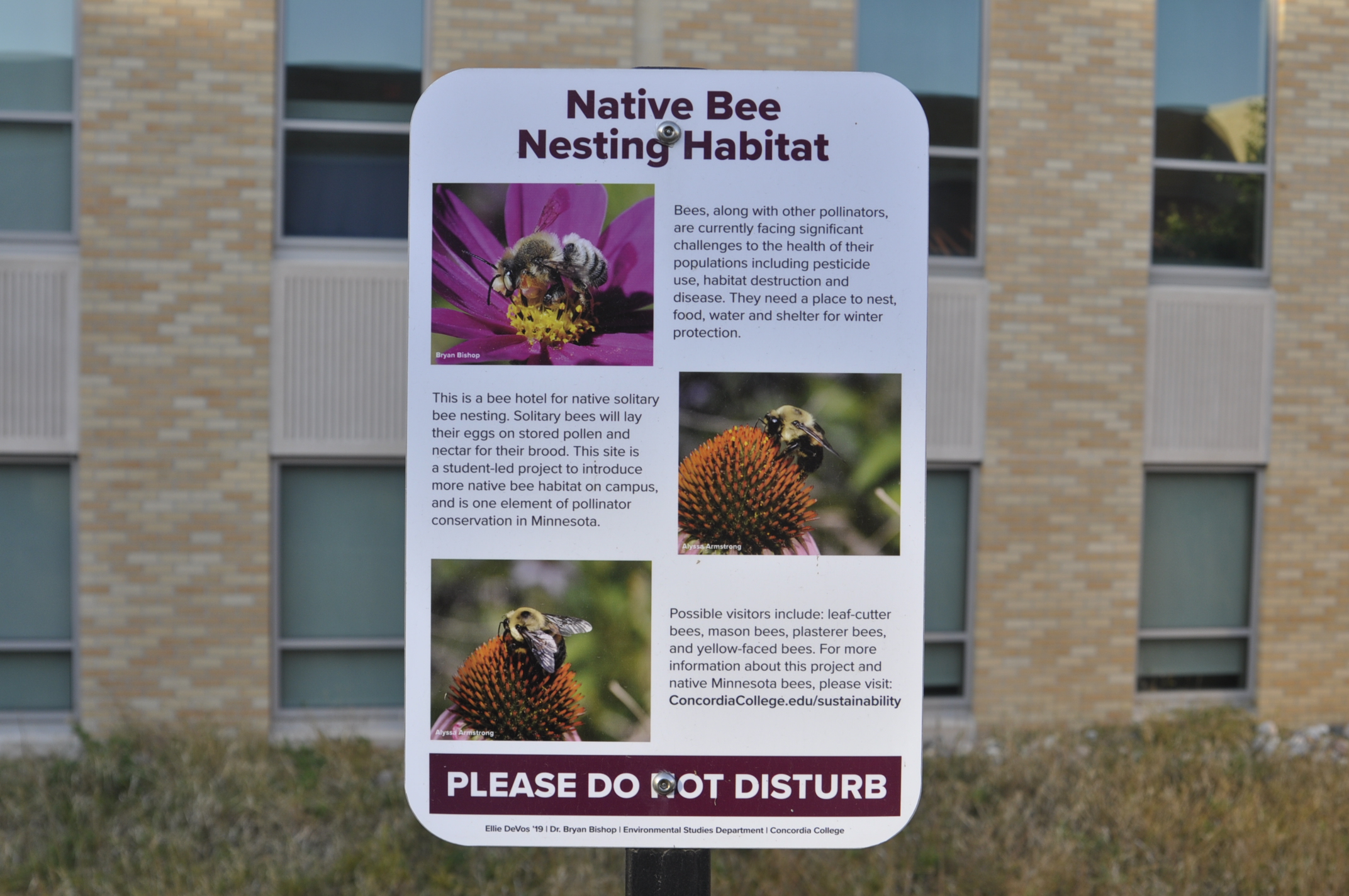
Bee Campus Affiliates is a title given to colleges that encourage pollinator (particularly native bee) conservation. Concordia is one of 194 colleges across the country that have this status.
The school currently encourages pollinator conservation on campus by providing nesting areas and native habitats.
The major habitat areas are located around ISC and the Knutson Campus Center, as well as near the Cornucopia Garden. These are gardens that provide pollinators with native flowering plants.
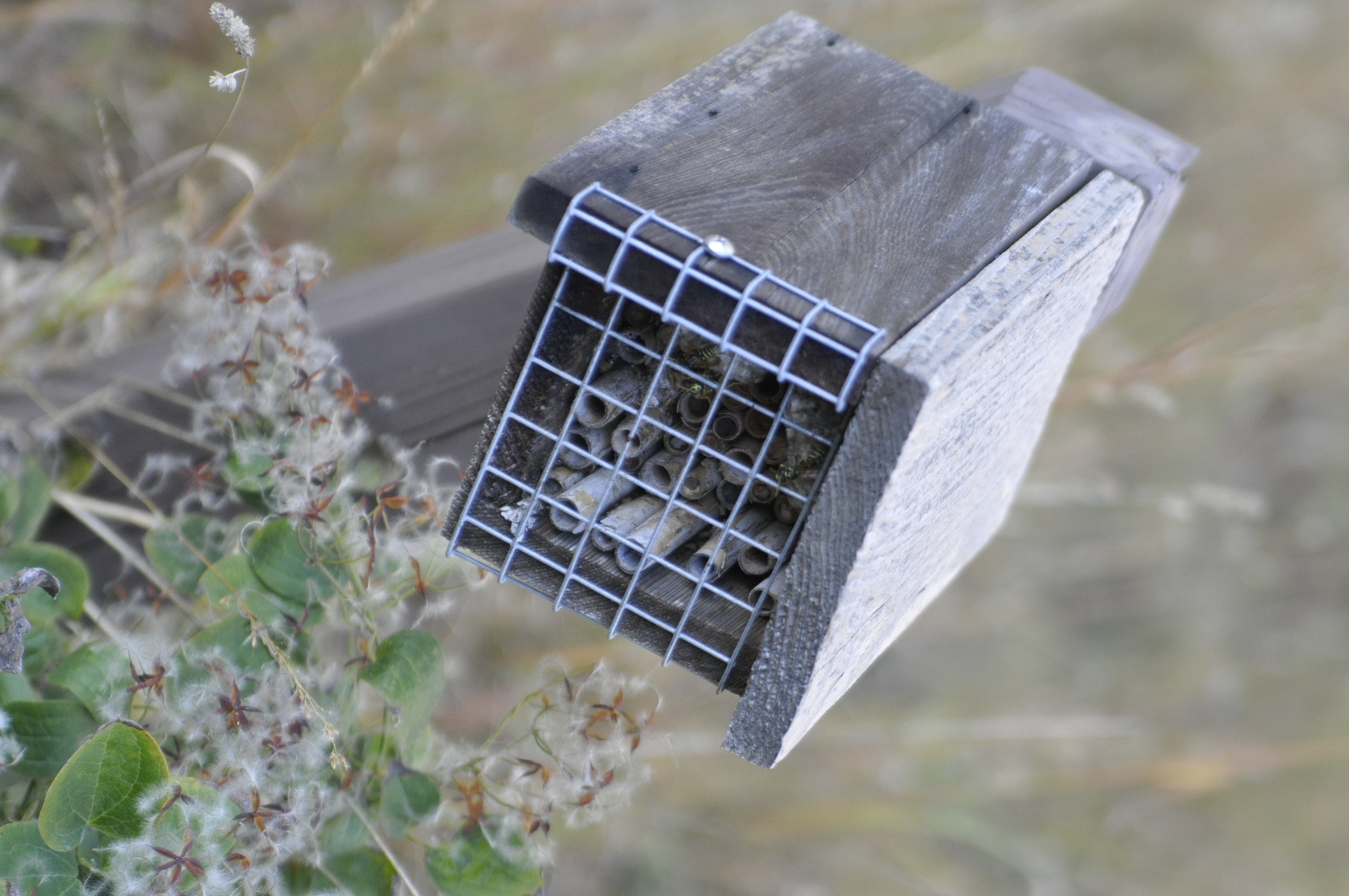
Concordia has several “bee boxes” or “bee hotels” located around campus. These small wooden structures could be mistaken for a birdhouse, but they actually provide solitary bees with a place to nest, lay eggs and store pollen.
“As we have urbanized more of the landscape, and more critically, as we have turned more of the landscape into monocultures, there’s just less habitat for bees,” says Professor D. Bryan Bishop, who teaches biology and sustainability studies at Concordia.
Monocultures include things like grass lawns, areas in which only one type of plant is allowed to grow.
“That’s basically a sterile desert,” Bishop said.
Concordia’s efforts provide critical habitat for pollinators, some of which are facing extinction.
The Rusty Patched Bumblebee is an example of a pollinating Bumblebee that used to be active in the Fargo Moorhead area but has since become endangered.
“We used to get them up here, but they’re not here anymore,” Bishop said.
They aren’t the only species to face possible extinction.
According to the Xerxes Society website, “Up to 40% of pollinator species on earth may be at risk of extinction in the coming years as a result of habitat loss, pesticide use, and climate change.”
Pollinators are also “responsible for approximately one third of the food and drink we consume.”
According to Bishop, Minnesota is home to over 500 species of bees, including Sweat Bees, Leafcutter Bees and species of the iconic Bumblebee.
Bishop says that while “Honeybees are doing fine,” other solitary species of bees are struggling due to habitat loss.
He says that individuals can help by educating ourselves on how to better care for pollinators and care for them.
In addition, they can limit “sterile” grass lawns and introduce native, pollinator-friendly flowers, and limit usage of pesticides, herbicides and insecticides.
As part of the Bee Campus certification, colleges are encouraged to have a committee that regularly meets and participates in outreach.
Bishop brought this up as a current weak area of Concordia’s efforts. He says that because of the COVID-19 pandemic, the committee did not have a chance to meet regularly and students who were involved in the beginning have since graduated.
Moving forward, Bishop wants to revive the Bee Campus USA committee
“That way we can start planning better, strategizing what we want to do next, getting perhaps more student involvement,” Bishop said.
