
By Noah Bloch
Diwali, a major cultural and religious celebration, came to Concordia on Saturday, hosted by The Diversity Equity and Inclusion Commission (DEIC).
“I think it’s important to have these kinds of events, to be able to have that opportunity to go in and just learn about something new,” says Signature Events Coordinator Siam Shimul.
But what exactly is Diwali?
This five day celebration is commonly referred to as the “Hindu festival of lights,” and focuses on the victory of good versus evil and light over darkness.
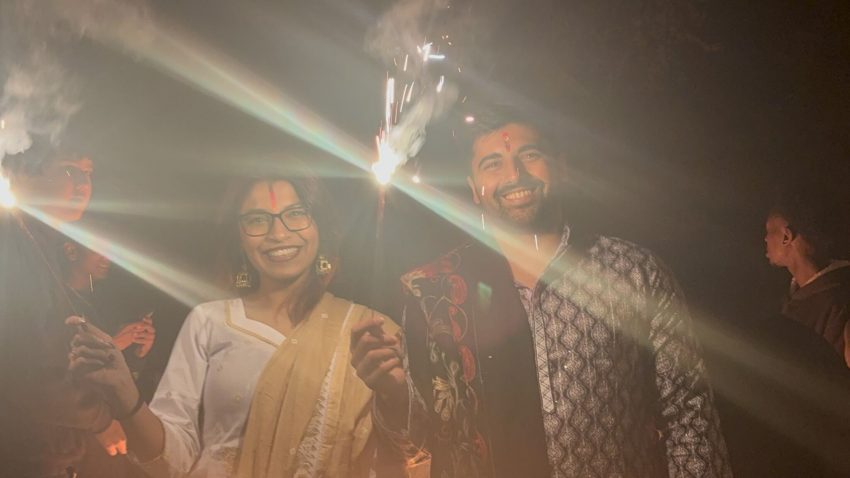
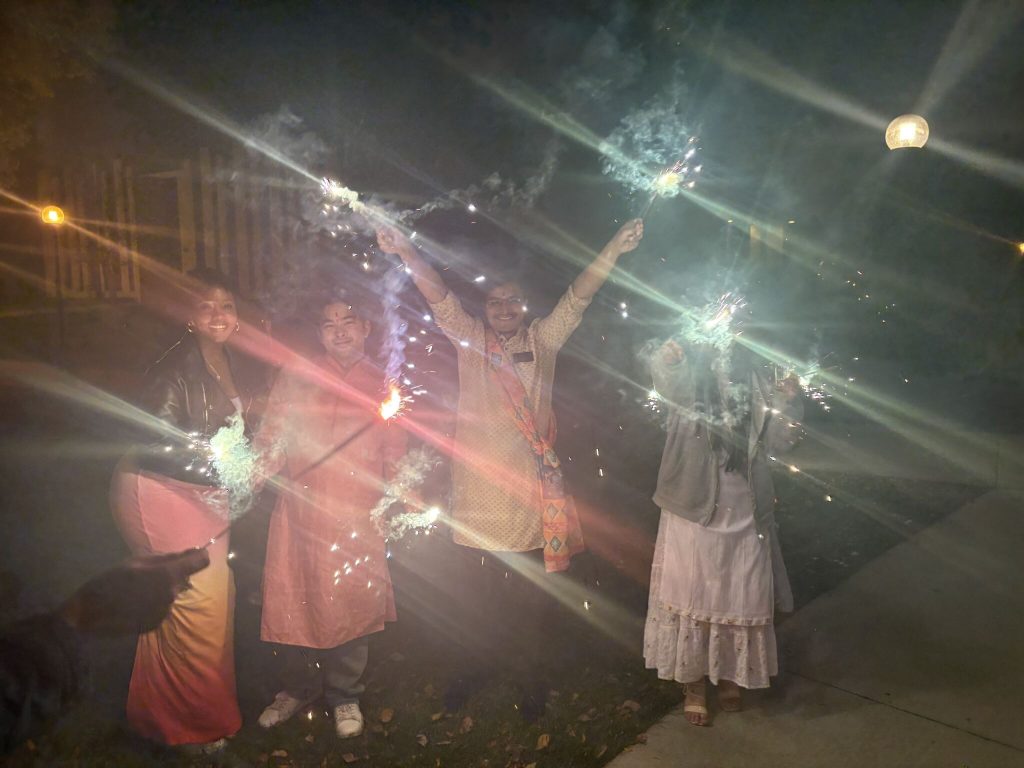
As the name suggests, Diwali typically has a strong emphasis on lights, which can be in the form of fireworks, sparklers, or lanterns.
Observed by over a billion people across the world, mainly in India and South Asia, the holiday is an important part of the Hindu religion, but it is also an important cultural event that brings people from different faiths together.
In addition to Hindus, Buddhists, Jains and Sikhs also celebrate.
“I am somebody that likes to lead with learning outcomes in mind,” says DEIC coordinator Siam Shimul.
In addition to the joyful and social aspect of the holiday, Shimul stresses that he wants people to walk away from the event with new knowledge about other cultures.
“Also just experiencing cultural expressions, like through games, food, performance, and as like, a way of deepening understanding of South Asian heritage and community life,” says Shimul.
He says this year there will be informational pamphlets and a stronger emphasis on learning and getting involved with the different activities offered.
Dr. Anne Mocko, professor of religion, was also present, who led a section on Bhai Tika, another Hindu holiday, celebrating the bond between siblings.
While people will hopefully leave more educated than they arrived, the draw to the event is the art, dance and food.
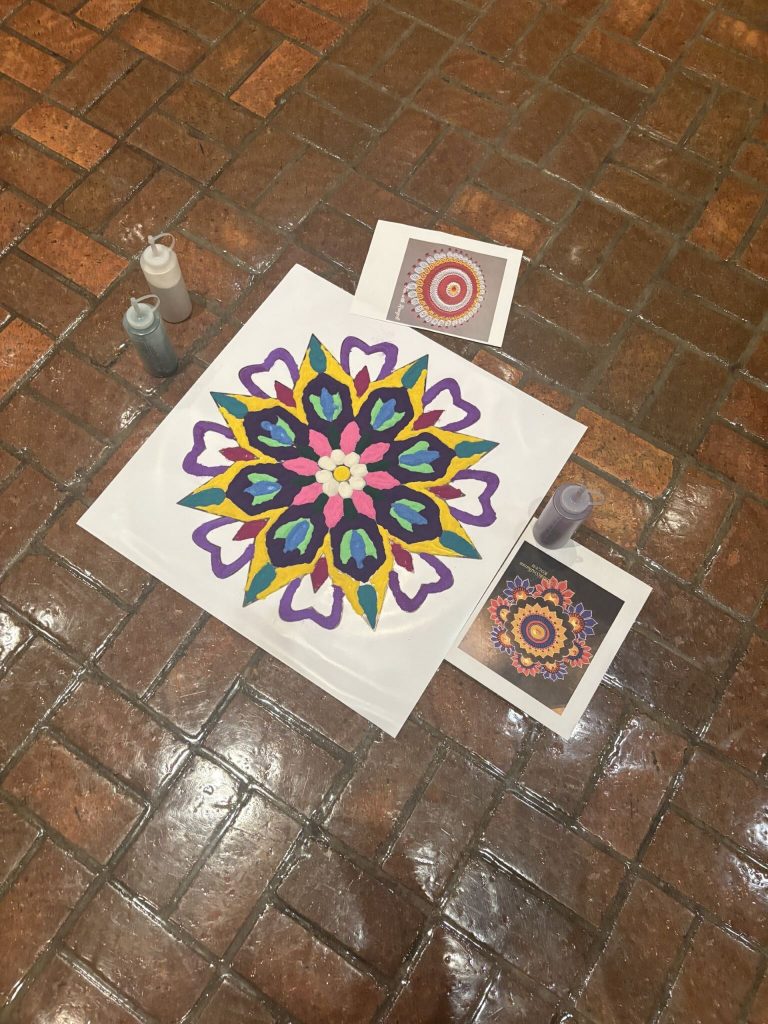
“The bigger gatherings I see are around the rangolis, where people are sitting down and making those colored patterns,” says Shimul
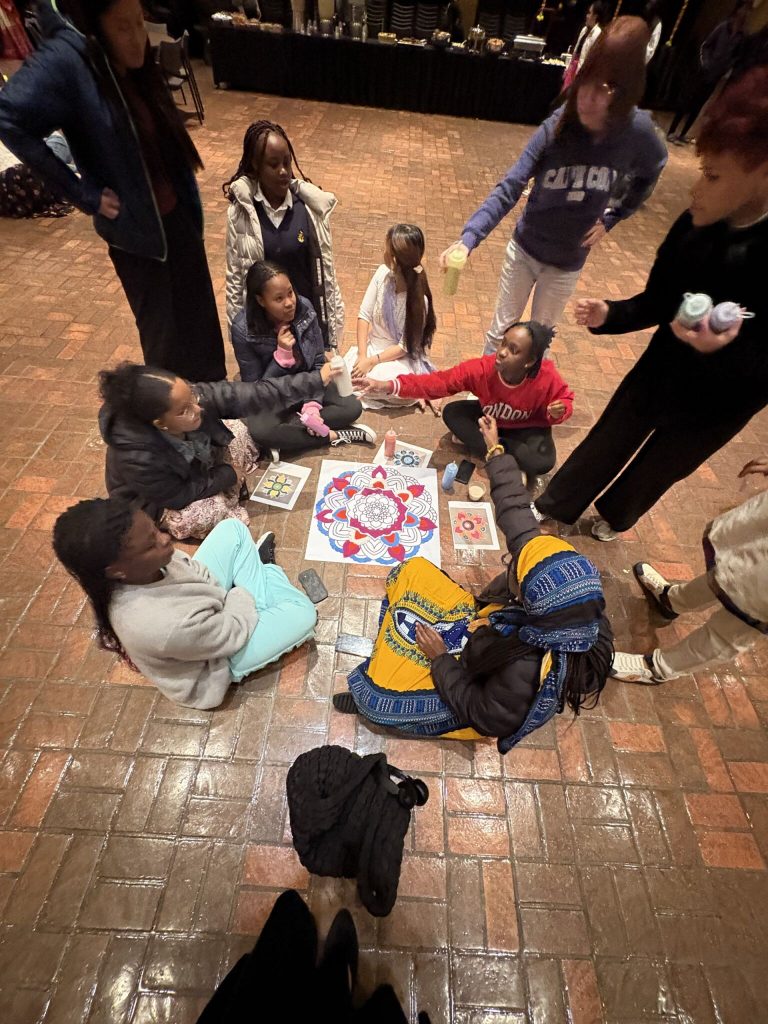
Rangolis are a traditional Indian folk art made from a range of mediums like colored rice, dry flour, colored sand, and flower petals.
Another popular activity is the Dandiya dance, an Indian folk dance where dancers hold sticks during the dance.
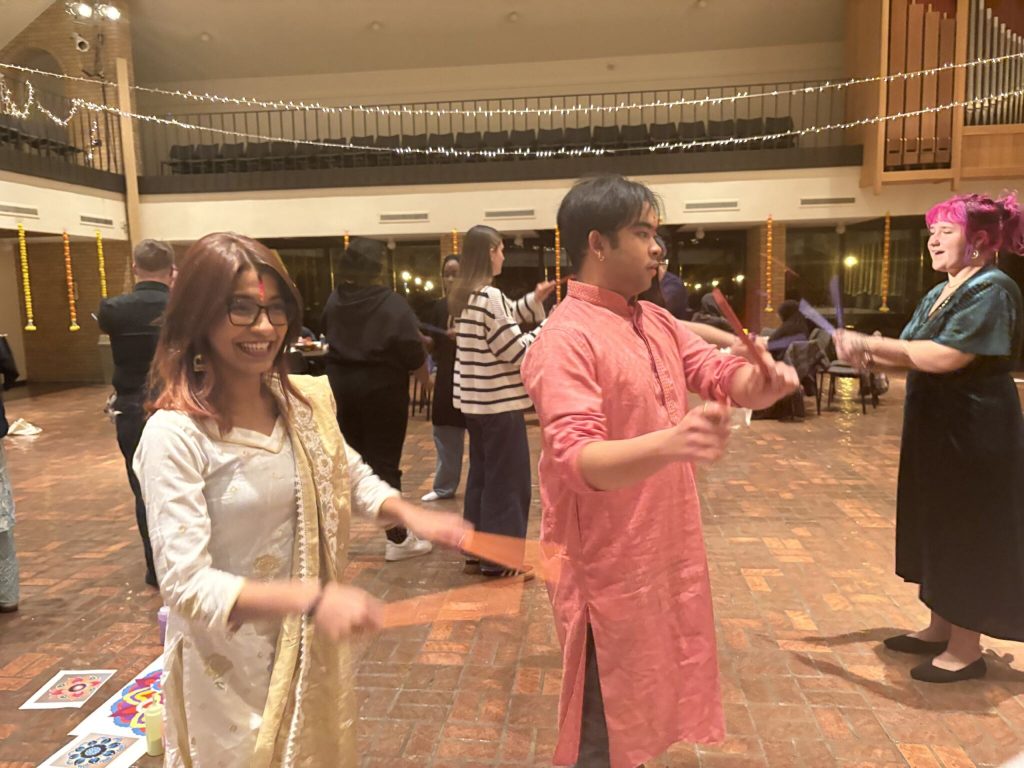
“Everyone gathers up in a circle in the middle. And that’s another part where everyone is kind of there together,” says Shimul.
In addition, there was henna (traditional drawn body art), cultural board games, Diyas (oil lamps) and the event concluded with some sparklers for the much-needed light.
Shimul also stresses that the Diwali event is a way to care for a minority group on campus.
“I think it’s important to have spaces for everyone that goes through this campus and everyone that is part of the student body to have, in some way, a place or an event or a class that they can feel that is for them,” says Shimul.
The event is always open to anyone, regardless of religion or culture.
Shimul says that “Concordia is a diverse campus. And like, we have different students coming from different places, different beliefs, different backgrounds, and that’s what makes us beautiful.”
